10,469 people live in Chevy Chase, where the median age is 47 and the average individual income is $126,752. Data provided by the U.S. Census Bureau.
Total Population
Median Age
Population Density Population Density This is the number of people per square mile in a neighborhood.
Average individual Income
An inclusive community with a global outlook.
Tucked into the far northwest corner of Washington, DC, Chevy Chase represents one of the capital region's most coveted residential enclaves—a place where tree-canopied streets, century-old homes, and small-town neighborliness coexist with the conveniences of urban life. The neighborhood stretches from Chevy Chase Circle at the District of Columbia–Montgomery County line southward to Rock Creek Park, with Western Avenue marking the suburb-to-city border on the north and west, while Reno Road and Broad Branch Road define its western and southern boundaries.
Unlike its Maryland namesake across Western Avenue, Chevy Chase DC is firmly part of the nation's capital—governed by District laws, served by DC Public Schools, and connected to downtown by the Red Line Metro. Yet walking these residential streets, with their deep front lawns and wide porches, feels remarkably suburban. This duality defines the neighborhood's enduring appeal: residents enjoy the tranquility of a leafy enclave while remaining just fifteen minutes by Metro from the corridors of power in downtown Washington.
Connecticut Avenue serves as the neighborhood's commercial spine, lined with locally owned shops, beloved restaurants, and civic institutions that have anchored community life for generations. The iconic Avalon Theatre, Politics and Prose bookstore, and James Beard Award-winning Bread Furst bakery represent the neighborhood's commitment to preserving independent businesses and cultural institutions. Rock Creek Park's 1,754 acres of woodland trails and recreational facilities border the neighborhood to the east, providing an urban oasis that makes residents feel worlds away from the bustle of the federal city.
With median home prices hovering around $1.4 million, Chevy Chase DC attracts affluent professionals, established families, and empty nesters seeking a permanent foothold in one of Washington's most stable and prestigious neighborhoods. The combination of top-rated public schools, exceptional walkability, and a tight-knit community atmosphere has made this streetcar suburb a "buy-once, stay-forever" destination for generations of Washingtonians.
The story of Chevy Chase begins in 1725, when Colonel Joseph Belt received a patent for 560 acres of colonial Maryland land northwest of the future Washington, DC, naming it "Cheivy Chace"—a reference to a 1388 border raid between English and Scottish forces over hunting grounds in the Cheviot Hills. The area remained rural farmland until the late nineteenth century, when visionary developers transformed it into one of America's first planned streetcar suburbs.
In the late 1880s, Nevada silver baron and future U.S. Senator Francis G. Newlands, along with his partner Senator William Stewart, quietly acquired thousands of acres along what would become Connecticut Avenue. They founded the Chevy Chase Land Company in 1890 and proceeded to extend Connecticut Avenue northward from Calvert Street, constructing an electric streetcar line—the famous Chevy Chase Line—that would link their new residential development to downtown Washington.
The DC side of Chevy Chase developed beginning in 1906-1907, when several distinct subdivisions were platted: Connecticut Avenue Terrace, Chevy Chase DC, Connecticut Avenue Park, Chevy Chase Heights, Chevy Chase Terrace, and Chevy Chase Grove Nos. 1, 2, and 3. Unlike the more picturesque planned suburb across the Maryland line, the DC neighborhoods featured a traditional grid layout with commercial buildings, apartment complexes, and multi-family dwellings alongside single-family homes—creating the urban village character that distinguishes it today.
Life in early Chevy Chase revolved entirely around the streetcar. Commuters rode it to federal offices downtown, children took it to school, and residents enjoyed weekend excursions to Chevy Chase Lake, an artificial lake and amusement park created by the Land Company to attract buyers. The streetcar "skipper" ran errands for residents, delivering groceries and packages to green boxes at corner stops throughout the neighborhood.
The 1920s and 1930s brought a building boom that established much of the neighborhood's current architectural character. Charming bungalows, Tudor revivals, Colonial styles, and Cape Cods filled the residential blocks, many constructed as mail-order kit homes from Sears Roebuck, Lewis Manufacturing, and Gordon-Van Tine catalogs. Nearly 100 authenticated catalog houses remain in Chevy Chase DC today, representing 61 different models—a unique concentration that speaks to the neighborhood's middle-class origins and the ingenuity of early homeowners who built their own American dreams.
The neighborhood has consistently rallied to preserve its historic character and community institutions. When Loews Cineplex closed and gutted the Avalon Theatre in 2001, neighbors organized the Avalon Theatre Project, raising over $750,000 to restore the 1923 movie palace and reopen it as a nonprofit community cinema in 2003. In 2023, the Chevy Chase DC Conservancy applied to designate the neighborhood a historic district, seeking to protect its architectural heritage from teardown pressure while ensuring that future development respects the streetcar-suburb character that residents cherish.
Today, Chevy Chase DC retains the small-town atmosphere its founders envisioned. Porch lights stay on, neighbors gather for annual block parties, and the September Chevy Chase DC Day street festival on the library plaza draws the entire community together. Advisory Neighborhood Commission meetings overflow with engaged residents debating zoning, development, and civic improvements. With many residents working in policy, academia, and government, coffee-shop conversations range from baseball to federal regulations—reflecting a community that remains deeply invested in both local and national affairs.
Chevy Chase DC is home to approximately 15,000 residents, making it one of the more densely populated residential neighborhoods in Northwest Washington while retaining its suburban character. The community attracts a diverse mix of established professionals, young families seeking top-rated schools, and retirees who raised their children here and never left. The median age of 46 reflects this generational balance, with roughly 22% of residents under 15 and 26% over 65.
The neighborhood's demographic profile reflects its position as one of Washington's most affluent enclaves. The median household income exceeds $250,000, with average household income approaching $327,000—placing Chevy Chase DC firmly in the top tier of the metropolitan area. Approximately 97% of residents live above the poverty line, and educational attainment is exceptionally high, with over 94% of adults holding bachelor's degrees or higher. The professional workforce is dominated by white-collar occupations, with 98% employed in professional or administrative positions.
Racially, Chevy Chase DC is approximately 68% Caucasian, 9% African American, 6% Asian, and 12% multiracial or other backgrounds, with about 11% of residents identifying as Hispanic or Latino. The neighborhood has grown more diverse over recent decades, though it remains less heterogeneous than Washington as a whole—a legacy of the discriminatory covenants that once restricted property sales to white buyers before being voided by the Supreme Court in 1948.
Family households make up approximately 67% of the neighborhood's 6,250 households, while 33% consist of individuals living alone or with non-relatives. About 35% of households include children under 18, and the presence of multiple generations is evident in the au pairs, grandparents, and young families that fill the sidewalks on any given afternoon. The homeownership rate exceeds 77%, significantly above the DC average, reflecting the neighborhood's stability and the premium residents place on putting down roots.
Professional backgrounds skew heavily toward government, policy, academia, and law. Federal workers, congressional staffers, lobbyists, nonprofit executives, and university professors are well represented, drawn by the easy commute to Capitol Hill, K Street, and the federal agencies clustered around the National Mall. International families posted to embassies and international organizations also find the neighborhood appealing for its excellent schools and proximity to diplomatic enclaves in nearby Bethesda and Massachusetts Avenue.
The community's political leanings tend liberal, consistent with the District of Columbia's overall voting patterns, though Chevy Chase DC has historically attracted moderate professionals who value civic engagement regardless of party affiliation. Neighbors know each other by name, participate in community organizations, and maintain the kind of old-fashioned neighborliness that has become increasingly rare in metropolitan areas. New residents often remark that moving to Chevy Chase DC feels like joining a village within a city.
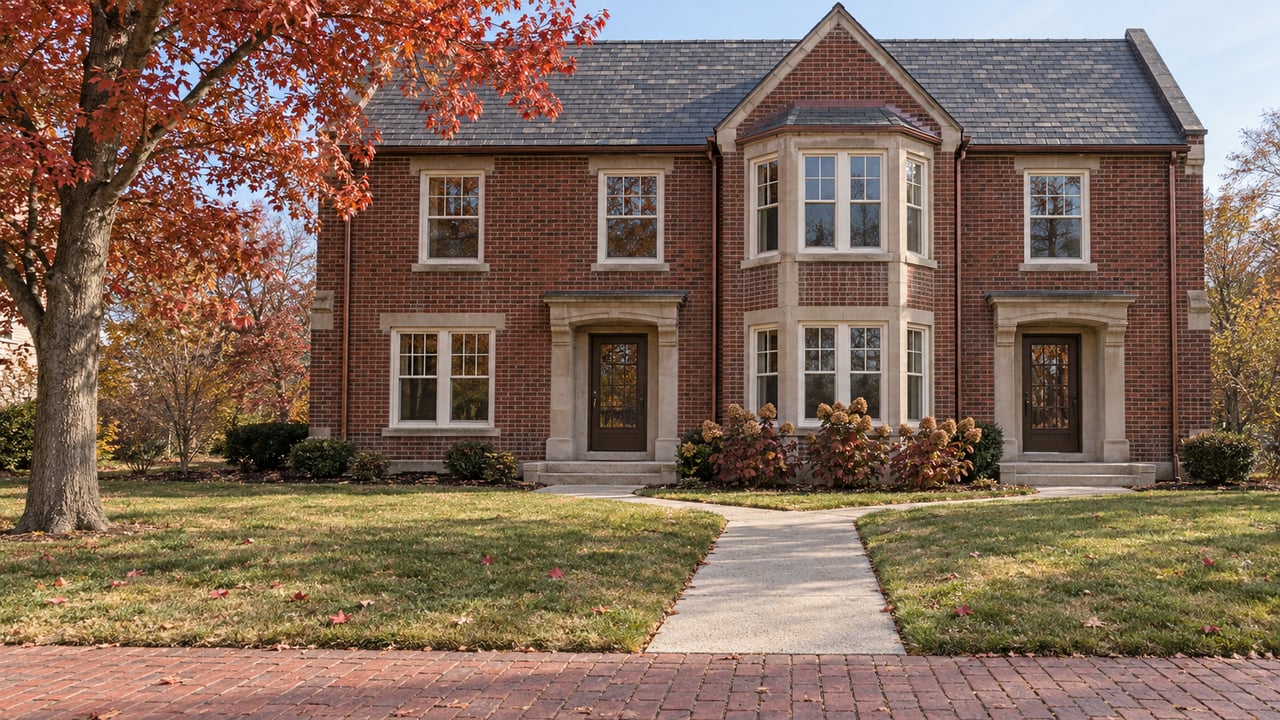
Chevy Chase DC offers an eclectic architectural tapestry that spans more than a century of American residential design. The housing stock ranges from modest early-twentieth-century bungalows to stately Colonial Revival mansions, unified by mature tree canopies, generous lot sizes, and the carefully maintained landscaping that defines the neighborhood's streetscape.
The neighborhood's earliest homes, clustered along Connecticut Avenue and the original subdivision streets, include Arts-and-Crafts bungalows, Prairie-influenced designs, and the distinctive Sears Catalog homes that represent Chevy Chase DC's unique architectural heritage. Nearly 100 authenticated kit houses from Sears Roebuck, Lewis Manufacturing, International Mill and Lumber (Sterling), and Gordon-Van Tine remain standing, built between 1915 and 1932. Popular models include the Sears "Maywood," "Americus," and "Martha Washington," as well as the Lewis "Chevy Chase"—a name that reflects the model's popularity in this very neighborhood.
The 1920s building boom introduced a rich variety of revival styles that dominate much of the housing stock today. Tudor Revivals feature steeply pitched roofs, decorative half-timbering, and arched doorways that evoke English country cottages. Colonial Revivals—both center-hall and side-hall variations—present symmetrical facades, multi-pane windows, and classical proportions that remain perennially popular. Georgian and Dutch Colonial variants add dormers, gambrel roofs, and formal entries that speak to the neighborhood's aspirational middle-class origins.
Cape Cod and Minimal Traditional homes from the 1930s and 1940s represent the neighborhood's more modest offerings, though many have been expanded and renovated to meet contemporary family needs. These compact designs feature low-pitched roofs, central chimneys, and efficient floor plans that made homeownership accessible during the Depression and postwar years. Today, these homes often attract young families and first-time buyers seeking entry into the Chevy Chase market at lower price points.
Along Connecticut Avenue, mid-century apartment buildings and condominium towers provide an alternative to single-family living. These brick structures, many dating from the 1940s through 1960s, offer full-service amenities including doormen, parking, and common areas. The International-style high-rises at Chevy Chase Towers and similar developments cater to professionals seeking low-maintenance urban living with neighborhood walkability. Condo prices start around $260,000 for one-bedroom units, offering an attainable entry point into the neighborhood.
Newer construction in Chevy Chase DC tends toward contemporary interpretations of traditional styles—modern farmhouses, updated Colonials, and custom designs that respect the neighborhood's historic character while incorporating open floor plans, gourmet kitchens, and luxurious primary suites. Teardown replacement homes typically exceed 4,000 square feet and command prices north of $2.5 million, though historic district protections increasingly limit demolition of contributing structures.
Common architectural features throughout the neighborhood include deep front porches (perfect for evening conversations with passing neighbors), slate roofs, leaded-glass windows, original hardwood floors, and decorative fireplaces. Many homes retain period details including crown moldings, built-in bookcases, arched doorways, and butler's pantries that speak to early-twentieth-century craftsmanship. Mature landscaping—heritage trees, established gardens, and stone retaining walls—complements the architectural character and contributes to the neighborhood's leafy, suburban atmosphere.
Chevy Chase DC consistently ranks among the most competitive residential markets in the Washington metropolitan area, characterized by limited inventory, strong demand, and prices that reflect the neighborhood's exceptional schools, transit access, and quality of life. The market has demonstrated remarkable resilience through economic cycles, holding value even during periods when other DC neighborhoods experienced significant corrections.
The median sale price for single-family homes hovers around $1.4 million, making Chevy Chase DC the second-highest-priced neighborhood in Northwest Washington after Spring Valley. Most homes trade between $1.1 million and $2 million, while renovated properties on larger lots or premium streets regularly exceed $3 million. The neighborhood's highest-priced listing—a 1927 Colonial Revival estate at 5320 27th Street NW—was marketed at $9.495 million, underscoring the upper reaches of the market.
Price per square foot ranges from $525 to $550, slightly above the broader DC average of $511. The Zillow Home Value Index pegs the neighborhood average at approximately $1.41 million, reflecting modest year-over-year appreciation even during periods of regional market softening. This stability makes Chevy Chase DC attractive to buyers seeking long-term value preservation in a volatile market.
Inventory remains chronically constrained. Months of supply typically sits below 2.0—firmly in seller's market territory—and frequently drops below 1.5 during peak spring selling season. This scarcity drives competitive bidding, with the average sale-to-list price ratio consistently exceeding 101% to 105% in recent years. Well-priced properties in move-in condition routinely attract multiple offers within days of listing.
Days on market have compressed dramatically. The average home sells within 14 to 30 days, with more than 60% going under contract within ten days of listing. Buyers accustomed to leisurely decision-making quickly learn that hesitation means losing out in Chevy Chase DC. Successful purchasers typically come prepared with pre-approval letters, flexible closing timelines, and willingness to waive contingencies.
The condominium market offers a more accessible entry point. Units along Connecticut Avenue, many in 1940s brick buildings, carry a median price around $322,000 to $400,000 for one- and two-bedroom configurations. Condo fees in full-service buildings can be substantial—$800 to $1,500 monthly—reflecting amenities like concierge services, fitness centers, and parking. Newer luxury developments command higher prices, with penthouse units exceeding $1 million.
Market seasonality follows typical DC patterns, with spring (March through May) representing peak listing and sales activity. Families hoping to settle before the school year compete intensely for homes in the Lafayette and Murch Elementary attendance zones, often driving prices above recent comparables. Fall brings a secondary wave of activity, while winter months see reduced inventory and transaction volume.
Purchasing in Chevy Chase DC requires careful attention to factors that significantly impact both livability and long-term value. The neighborhood's century-old housing stock, competitive market dynamics, and regulatory environment present unique considerations that buyers should evaluate thoroughly before making offers.
Property Age and Condition: Most Chevy Chase DC homes date from 1910 to 1945, meaning buyers should budget for maintenance of aging systems even in well-kept properties. Original slate roofs, while beautiful and durable, can cost $30,000 to $50,000 to replace. Knob-and-tube wiring, galvanized plumbing, and outdated electrical panels may require immediate attention. Pre-inspection before waiving contingencies is advisable, though competitive conditions often force buyers to accept "as-is" terms.
School Boundaries: School assignment boundaries significantly impact property values. Homes within the Lafayette Elementary boundary command premium prices—often $50,000 to $100,000 more than comparable properties zoned for other schools. Buyers should verify current boundaries with DC Public Schools, as lines occasionally shift with redistricting. The neighborhood is served by Lafayette and Murch Elementary Schools, Alice Deal Middle School, and Jackson-Reed High School.
Flood Risk: Approximately 11% of Chevy Chase DC properties face severe flooding risk over the next 30 years, according to First Street Foundation data. Properties near Rock Creek, Soapstone Valley, and low-lying areas should be evaluated carefully. Flood insurance requirements, basement water infiltration history, and drainage improvements should factor into purchase decisions and budgeting.
Climate Considerations: The neighborhood faces moderate wildfire risk (76% of properties affected to some degree) and increasing heat exposure, with projections showing a 128% increase in days above 105°F over the next 30 years. Wind risk from hurricanes and severe storms affects all properties. Buyers should consider tree health and proximity to structures, HVAC system capacity, and home insulation quality when evaluating climate resilience.
Parking and Garages: Many original Chevy Chase DC homes lack garages or have undersized single-car structures. Street parking is generally available but can be competitive during events at Lafayette Park or community gatherings. Properties with two-car garages or ample off-street parking command premiums. Buyers should assess household vehicle needs against available parking before committing.
Zoning and Expansion Potential: Residential zoning in Chevy Chase DC generally permits modest additions and accessory dwelling units (ADUs), though historic district overlay requirements increasingly restrict alterations to contributing structures. Buyers planning significant renovations should review DC Historic Preservation Office guidelines and consult with architects experienced in neighborhood approvals before purchasing.
HOA and Condo Fees: Single-family homes in Chevy Chase DC generally do not carry HOA fees, though some newer townhome developments and planned communities may have modest assessments. Condominium fees vary significantly—from $400 monthly in smaller buildings to over $1,500 in full-service high-rises. Buyers should review reserve fund adequacy, recent special assessments, and planned capital improvements when evaluating condo purchases.
Market Speed and Competition: The competitive market requires buyers to move decisively. Successful strategies include obtaining pre-approval before beginning searches, establishing relationships with experienced neighborhood agents who receive early notice of listings, and preparing to offer at or above asking price. Escalation clauses, appraisal gap coverage, and flexible closing terms strengthen offers in multiple-bid situations.
Selling in Chevy Chase DC offers significant advantages given the neighborhood's strong demand and limited inventory, but maximizing value requires strategic timing, thoughtful preparation, and realistic pricing that accounts for current market conditions.
Optimal Timing and Seasonality: Spring remains the premier selling season, with March through May generating the highest buyer activity and strongest prices. Families seeking to relocate before the school year drive intense competition for homes in top elementary school boundaries. Listing in late February or early March positions properties to capture the earliest and most motivated buyers. Fall (September through November) offers a secondary window, while winter listings face reduced traffic but also less competition.
Pricing Strategy: Accurate pricing is essential despite the seller-favorable market. Overpriced properties stagnate even in low-inventory conditions, developing "days on market" stigma that ultimately yields below-market results. Competitive pricing that generates multiple offers typically produces final sale prices 3% to 5% above initial list—a better outcome than aspirational pricing that requires reductions. Work with agents who provide detailed comparative market analyses based on recent neighborhood sales.
Buyer Demographics: Understanding your likely buyer pool helps tailor marketing and preparation. Young professional couples and families with children under 10 dominate demand for three- to five-bedroom single-family homes, particularly in Lafayette Elementary boundaries. Empty nesters and downsizers target condos and smaller single-family homes. International families and government transferees often seek move-in ready properties with minimal renovation requirements. Investors rarely participate given owner-occupancy preferences and price points.
Staging and Presentation: Professional staging significantly impacts buyer perception and offers. Chevy Chase DC buyers expect homes that balance historic character with contemporary livability. Decluttering, neutralizing bold design choices, and highlighting architectural details like original moldings, hardwood floors, and fireplaces appeals to the neighborhood's traditional aesthetic. Professional photography and virtual tours have become essential, with many buyers making shortlist decisions based on online presentation before scheduling in-person visits.
High-Value Improvements: Strategic upgrades can significantly impact sale price and buyer interest. Kitchen and bathroom renovations deliver strong returns, particularly when they modernize without eliminating period character. Updated HVAC systems, new roofing, and electrical panel upgrades reassure buyers concerned about deferred maintenance in older homes. Fresh interior paint, refinished hardwood floors, and professional landscaping create move-in-ready appeal. Avoid over-customizing or making improvements inconsistent with neighborhood character.
Historic Considerations: Properties contributing to potential historic district designation may face additional disclosure requirements and buyer questions about renovation restrictions. Sellers should understand current preservation status and be prepared to discuss how historic protections may affect future modifications. For catalog homes and architecturally significant properties, historic status can actually enhance value among preservation-minded buyers.
Disclosure and Documentation: DC disclosure requirements are extensive. Sellers should compile documentation on recent repairs, system ages, known issues, and neighborhood conditions. Proactive disclosure of past water infiltration, foundation work, or other significant repairs builds buyer confidence and reduces post-inspection renegotiation. Having permits and contractor records available streamlines due diligence.
Educational quality represents one of Chevy Chase DC's most significant draws, with public schools that rank among the best in the District of Columbia and private options that attract families from throughout the metropolitan area. The neighborhood's school profile combines academic rigor, active parent involvement, and diverse programming that prepares students for competitive secondary and post-secondary opportunities.
Lafayette Elementary School serves the heart of Chevy Chase DC and consistently ranks among the top public elementary schools in Washington. Earning an A-minus rating from Niche and a 9 out of 10 from GreatSchools, Lafayette enrolls approximately 860 students in Pre-K through 5th grade with a 15:1 student-teacher ratio. The school emphasizes arts integration across all subjects, operates a Peace of Mind social-emotional curriculum, and offers daily intervention and enrichment periods for individualized learning. Lafayette's diverse, engaged parent community actively supports programming through fundraising, volunteering, and advocacy.
Ben W. Murch Elementary School serves portions of the neighborhood and similarly earns strong ratings. Both schools feed into Alice Deal Middle School, creating continuity for families who value stability through the elementary and middle years. School boundary verification is essential for buyers, as boundaries occasionally shift and small address differences can result in different school assignments.
Alice Deal Middle School serves Chevy Chase DC students in grades 6-8 and is widely regarded as one of the District's strongest public middle schools. The school offers advanced coursework, robust extracurricular programming, and preparation for competitive high school programs. Deal's academic reputation contributes significantly to Chevy Chase DC's appeal for families planning their children's educational trajectory through secondary school.
Jackson-Reed High School (formerly Woodrow Wilson High School) serves Chevy Chase DC and is the District's largest high school, earning an A rating from Niche and ranking among the top five public high schools in DC. The recently modernized eight-acre, seven-building campus achieved LEED certification and Green Ribbon School status. More than 90% of graduates attend college, with last year's class receiving acceptances from over 200 institutions across 41 states and scholarship offers exceeding $28 million.
Jackson-Reed offers college-level courses in 30 AP subject areas, as well as specialized pathways in Engineering and Bio-Medicine. Over 850 students participate in one of seven rigorous college and career-readiness academies. The school's diverse student body—approximately 36% White, 28% African American, 26% Hispanic, and 5% Asian—reflects the broader DC community and prepares students for diverse collegiate and professional environments.
Chevy Chase DC hosts several excellent private schools. St. John's College High School, a private co-educational Catholic high school earning an A-plus from Niche, serves students seeking faith-based education with rigorous academics. Blessed Sacrament School provides Catholic elementary education and welcomes non-parishioners and non-Catholic families. Montessori options include Montessori School of Chevy Chase and Broad Branch Children's House for families preferring alternative pedagogical approaches.
Nearby elite private schools include Georgetown Day School (A-plus rated, K-12), which has educated children of Supreme Court Justices and prominent government officials, and Sidwell Friends School (A-plus rated), attended by children of multiple U.S. Presidents. These institutions draw families from across the region who appreciate Chevy Chase DC's combination of residential quality and proximity to top-tier private education.
Chevy Chase DC's eastern border with Rock Creek Park and its constellation of neighborhood green spaces provide residents with exceptional outdoor recreation opportunities rarely found in urban environments. From wilderness hiking trails to manicured playgrounds, the neighborhood offers something for every outdoor enthusiast.
Rock Creek Park, the 1,754-acre national park that borders Chevy Chase DC to the east, represents one of the nation's capital's greatest natural treasures and was officially authorized in 1890 as the third national park designated by the federal government. The park offers over 32 miles of hiking trails through forested valleys and along the creek, plus designated biking and horseback riding paths. Residents can access trails directly from neighborhood streets, making wilderness experiences a routine part of daily life.
Recreational facilities within Rock Creek Park include the Rock Creek Park Golf Course, a 25-court tennis center (5 indoor, 20 outdoor), the Rock Creek Nature Center and Planetarium, and multiple picnic groves with parking and restrooms. The main road through Rock Creek provides scenic commuting options and closes to vehicle traffic on weekends and holidays for cyclists, runners, and walkers. Beginning in 2025, the park will host two scenic driving days annually along Beach Drive.
Lafayette-Pointer Park and Recreation Center sits behind Lafayette Elementary School at the neighborhood's heart. Renovated in 2021 and renamed to honor Captain John Pointer—an accomplished, formerly enslaved man whose descendants lived on the land—the park features a popular splash pad, baseball fields, playgrounds, tennis courts, and open green space. The park serves as the community's central gathering place, hosting youth sports leagues, pickup basketball games, and family recreation throughout the year.
Livingston Park, part of the Chevy Chase Recreation Center complex, offers baseball and softball fields, outdoor basketball courts, tennis courts, a dog park, water features, and multiple playgrounds. The recreation center hosts summer camps, community programming, and serves as a hub for neighborhood activities. Families appreciate the variety of facilities that accommodate children of all ages and interests.
Soapstone Valley Park provides forested hiking paths connecting to Rock Creek, with stream-side trails that make residents feel transported far from the urban environment. Turtle Park and Recreation Center offers tennis courts and family-friendly amenities. Meadowbrook Park, adjacent to Rock Creek, includes Candy Cane City—a 16-acre recreational facility with fields for soccer, baseball, football, and tennis, plus handicap-accessible picnic areas and playgrounds.
The Chevy Chase Recreation Association offers swimming and tennis facilities for member families, with various membership levels available for neighborhood residents. The Rock Creek Pool Association maintains swimming facilities with a waiting list for its 400-family membership cap. The prestigious Chevy Chase Club and Columbia Country Club, while technically in Maryland, serve many neighborhood residents with golf, tennis, and social facilities.
Connecticut Avenue serves as Chevy Chase DC's vibrant commercial spine, lined with the independent shops, beloved restaurants, and neighborhood institutions that define community life. Unlike generic suburban retail strips, the avenue preserves a walkable urban village character where residents know shopkeepers by name and weekly errands become social occasions.
Politics and Prose bookstore has anchored community life since 1984, drawing Pulitzer Prize winners, presidents, and best-selling authors to readings and signings. The independently owned store has expanded multiple times, now occupying significant Connecticut Avenue frontage and including The Den café in its lower level, which serves locally sourced breakfast, sandwiches, and espresso alongside beer and wine. Politics and Prose celebrated its 40th anniversary in 2024, testament to the community's commitment to preserving independent cultural institutions.
Bread Furst bakery, opened in 2014 by James Beard Award-winning baker Mark Furstenberg (founder of Marvelous Market), perfumes Connecticut Avenue mornings with artisan sourdough, croissants, and pastries. The bakery and café also stocks specialty goods, cookbooks, and gifts, making it a destination for food lovers throughout the region. Recent changes include eliminating service charges and expanding breakfast offerings.
The Avalon Theatre, the District's oldest continuously operating neighborhood movie house, screens independent, foreign, and first-run films in its restored 1923 auditorium. The nonprofit community cinema hosts the Washington metropolitan area's third-largest commercial movie screen and offers programming including Wednesday Signature Series, children's films, and special events that bring neighbors together throughout the year.
Restaurant options span cuisines and price points. Little Beast serves breakfast, lunch, and dinner from its wood-fired oven, filling a neighborhood gap for all-day dining. Comet Ping Pong draws families and music fans for thin-crust pizza, ping pong, and live performances. Sushiko offers fresh sushi in a sleek environment, while The Hunter's Hound serves Irish-inspired dishes including Guinness-gravy beef and mussels in Magners cider. Birdsong Thai, Macon Bistro, and Parthenon provide additional options for casual and special-occasion dining.
Quick-service favorites include Call Your Mother for bagels and sandwiches, Jetties for casual fare, and Rome Pizza for neighborhood slices. Coffee options extend beyond Politics and Prose's Den to Bread & Chocolate and local cafés where remote workers and parents gather throughout the day. Sarah's Handmade Ice Cream recently joined the neighborhood, producing small-batch flavors with Maryland-sourced dairy.
Child's Play Toys & Books has served neighborhood families for decades, offering curated selections of games, books, and toys that parents and grandparents trust. Chevy Chase Stationery provides party supplies and gifts, while June B Sweet offers gourmet confections. Art Sound Language, opened in 2023 in the historic Chevy Chase Arcade, carries an eclectic selection of vinyl records and books spanning genres from Sudanese jazz to Marxist theory.
Daily needs are met by Safeway supermarket on Connecticut Avenue and the nearby Magruders—a neighborhood establishment since Prohibition. Chevy Chase Wine & Spirits, CVS pharmacy, and various dry cleaners, shoe repair shops, and service providers round out the commercial mix. The Friendship Heights shopping district, just across Western Avenue, adds Whole Foods, high-end retail including Tiffany and Saks Fifth Avenue, and mall shopping at Mazza Gallerie and Chevy Chase Pavilion.
Chevy Chase DC's transportation infrastructure reflects its origins as a streetcar suburb, with excellent transit connectivity that makes car ownership optional for many residents while still accommodating those who prefer driving. The neighborhood's walkable commercial core, nearby Metro stations, and multiple bus routes provide flexibility for daily commuting and weekend activities.
Metro Access: Chevy Chase DC sits within walking distance of three Red Line Metro stations: Friendship Heights, Tenleytown-AU, and Van Ness-UDC. Friendship Heights station, opened in 1984, provides the closest access for most residents and connects to Metro Center in approximately 15 minutes during rush hour. The station's northern entrance surfaces beneath the Chevy Chase Metro Building, with additional entrances serving Mazza Gallerie and Chevy Chase Pavilion. At over 100 feet below street level, the deep station requires lengthy escalator rides but offers reliable service on the Red Line's western branch.
Bus Service: Multiple Metrobus routes serve Chevy Chase DC, including the D70 along Connecticut Avenue and C81, C83, and C85 routes connecting various neighborhood points. Montgomery County's Ride On bus system extends service across Western Avenue, providing connections to Bethesda and other Maryland destinations. Bus service runs frequently during commuting hours, with D-series routes providing access to public transportation every few minutes throughout the day.
Driving: Connecticut Avenue provides a straight shot to downtown Washington, though rush-hour traffic can extend commute times significantly. Rock Creek Parkway offers an alternative scenic route for those commuting to areas south of Dupont Circle. Nebraska Avenue and Military Road connect to other Northwest neighborhoods and Virginia via Chain Bridge. The Capital Beltway (I-495) lies a few miles north along Connecticut Avenue, providing regional highway access for those commuting to suburban employment centers.
Biking: Dedicated bike lanes on Connecticut Avenue and connecting streets accommodate cycling commuters and recreational riders. The Capital Crescent Trail, a shared-use off-road path following the abandoned Georgetown Branch of the B&O Railroad, connects Silver Spring to Georgetown and provides car-free commuting options. Rock Creek Park trails add recreational cycling opportunities, though the hilly terrain challenges casual riders.
Walkability: Chevy Chase DC earns high walkability scores for its continuous sidewalk grid, compact commercial nodes, and tree-shaded streets. Most daily errands—groceries, pharmacy, coffee, dining—are accessible on foot from residential areas. The combination of walkable retail, nearby parks, and transit access allows many households to reduce car dependency or eliminate second vehicles entirely.
Commute Times: The average commute time for Chevy Chase DC residents is approximately 28-30 minutes, reflecting the mix of downtown government workers, Bethesda professionals, and remote workers who call the neighborhood home. Metro riders typically reach downtown in 15-20 minutes during normal operations, while drivers should budget 25-45 minutes depending on traffic conditions and destination.
Ask Chevy Chase DC residents what they love about their neighborhood, and the responses reveal a community that has found the elusive balance between urban convenience and suburban tranquility. The emotional appeal runs deep—this is a place where people put down roots, raise families, and often stay for decades.
The streetscape itself captures hearts. Tree-canopied blocks, deep front lawns, and wide porches create a visual rhythm that feels distinctly old-fashioned in the best sense. Evening walks become social occasions as neighbors wave from porches, dog walkers pause for conversation, and children play on sidewalks that feel safe and welcoming. The mature landscaping—heritage trees that predate most homes, established gardens, stone walls—speaks to the neighborhood's century of cultivation and care.
Community bonds form quickly and endure. Block parties, holiday decorating competitions, and the annual Chevy Chase DC Day festival bring neighbors together throughout the year. The Avalon Theatre, Politics and Prose, and neighborhood restaurants serve as gathering places where familiar faces appear reliably. Parents connect through school activities, youth sports at Lafayette Park, and the informal networks that develop when families stay put generation after generation.
The schools provide peace of mind that extends beyond academic metrics. Parents appreciate the engaged communities at Lafayette and Murch Elementary, the smooth transitions to Deal Middle School, and the comprehensive programming at Jackson-Reed High School. The ability to walk children to neighborhood schools, avoid lengthy commutes, and participate actively in school life represents a quality of life that suburban alternatives cannot replicate.
Daily life flows with remarkable convenience. Morning coffee at Bread Furst, afternoon errands along Connecticut Avenue, evening walks in Rock Creek Park—all without requiring a car. The Metro puts downtown Washington within easy reach for work and cultural activities, while the neighborhood itself provides enough dining, shopping, and entertainment to make leaving optional on weekends.
The natural environment sets Chevy Chase DC apart from denser urban neighborhoods. Rock Creek Park's 1,754 acres of woodland offer genuine wilderness experiences minutes from home. Hiking, biking, golf, tennis, horseback riding—all are accessible without leaving the District. The seasonal rhythms of the park, from spring wildflowers to fall foliage, mark the passage of years in ways that connect residents to the natural world.
Property values provide both financial security and validation. Residents know that their investment in Chevy Chase DC holds value through economic cycles, that the neighborhood's appeal will endure, and that their children may someday raise families in the same homes. This long-term perspective shapes community engagement—people invest in improvements, advocate for preservation, and maintain standards because they expect to be here for the long haul.
Within Chevy Chase DC's already prestigious boundaries, certain streets and micro-locations command particular attention from discerning buyers. These addresses combine architectural distinction, lot characteristics, proximity to amenities, and neighborhood cachet that elevate them even within an elite market.
27th Street NW: The 5300 block of 27th Street NW represents the pinnacle of Chevy Chase DC real estate, hosting the neighborhood's most significant estates. Properties here feature expansive lots exceeding an acre, architectural specimens dating to the 1920s, and prices that have reached $9.5 million for trophy homes. The street's proximity to Rock Creek Park provides exceptional privacy and natural settings that rival the most exclusive suburban estates.
Oregon Knolls: Oregon Knolls, tucked along the neighborhood's eastern edge adjacent to Rock Creek Park, offers larger lots, mature trees, and a secluded atmosphere that appeals to buyers seeking maximum privacy within the District. Homes on Oregon Knolls Drive and surrounding streets frequently exceed 4,000 square feet on wooded lots, commanding prices from $1.8 million to well over $3 million.
Lafayette School Vicinity: Streets immediately surrounding Lafayette Elementary School—including portions of Broad Branch Road, Northampton Street, and adjacent blocks—command premiums reflecting both school proximity and the neighborhood's civic center. Homes here offer walkability to Lafayette-Pointer Park, the recreation center, and commercial Connecticut Avenue while maintaining residential quietude. The tree-lined streetscape and architectural consistency make this area particularly photogenic.
McKinley Street and Surrounding Blocks: McKinley Street NW and nearby residential streets between Connecticut Avenue and Rock Creek feature well-preserved early-twentieth-century homes on generous lots. Properties along the 2700-2800 blocks of McKinley regularly sell above $2.5 million, attracting buyers who appreciate authentic period architecture and established neighborhood character.
Patterson Street and Kanawha Street: The 3100 block of Patterson Street NW and Kanawha Street offer newer construction and significant renovations alongside original homes. These addresses attract buyers seeking modern amenities in traditional settings, with recent sales demonstrating strong demand for five- to seven-bedroom properties with contemporary finishes. Proximity to both Connecticut Avenue and Rock Creek provides convenience without sacrificing residential character.
Connecticut Avenue Condominiums: For buyers seeking alternatives to single-family homes, premium condominium addresses along Connecticut Avenue include the Chevy Chase Towers, The Louie (a classic 1920s building), and newer luxury developments. Top-floor units with views, doorman buildings, and properties closest to Friendship Heights Metro command the highest prices within the condo market, ranging from $600,000 to over $1 million for the most desirable configurations.
Chevy Chase DC attracts a specific type of buyer—one who values substance over flash, community over anonymity, and long-term investment over short-term speculation. Understanding whether this neighborhood aligns with your priorities helps ensure that both the significant financial commitment and the lifestyle transition deliver lasting satisfaction.
The neighborhood is ideal for families seeking top-rated public schools combined with genuine walkability and neighborhood safety. Parents who want their children to walk or bike to elementary school, access parks without driving, and grow up knowing neighbors by name find Chevy Chase DC delivers on these priorities. The educational pathway from Lafayette or Murch through Deal to Jackson-Reed provides continuity that allows families to put down roots without the disruption of school transitions or district moves.
Professionals working in downtown Washington, Capitol Hill, or the federal agency cluster appreciate the Red Line access and manageable commute times. The neighborhood attracts attorneys, policy professionals, academics, and government executives who value proximity to work without sacrificing residential quality. International families posted to DC for diplomatic, NGO, or World Bank assignments find the combination of schools, safety, and suburban character particularly appealing.
Empty nesters and retirees who raised families in the neighborhood often choose to stay, downsizing to condos along Connecticut Avenue while maintaining community connections built over decades. The walkable commercial core, cultural amenities like the Avalon and Politics and Prose, and proximity to world-class healthcare in nearby Bethesda support aging in place. These long-term residents provide continuity and institutional memory that newer arrivals appreciate.
Nature enthusiasts and outdoor recreationists find Rock Creek Park's immediate accessibility transformative. The ability to access 32 miles of hiking trails, tennis courts, golf courses, and horseback riding without leaving the District attracts residents who prioritize outdoor lifestyle alongside urban amenities. Weekend warriors, daily runners, and families seeking green space find Chevy Chase DC delivers access that suburban alternatives require driving to match.
Historic preservation advocates and architectural enthusiasts appreciate the neighborhood's commitment to protecting its streetcar-suburb character. Buyers who value catalog homes, period details, and neighborhood consistency over modern construction find kindred spirits among residents who have fought to preserve the Avalon Theatre, establish historic district protections, and maintain architectural standards.
For those who share its values, Chevy Chase DC offers something increasingly rare in metropolitan America: a stable, engaged community where neighbors know each other, institutions endure, and the long view prevails over short-term thinking. The neighborhood rewards patience, community investment, and appreciation for the carefully cultivated quality of life that residents have built over more than a century. Those who find their way here often discover they've found home—not just a house, but a place and a community they never want to leave.
There's plenty to do around Chevy Chase, including shopping, dining, nightlife, parks, and more. Data provided by Walk Score and Yelp.
Explore popular things to do in the area, including Tiger Mart, Chevy Chase Community Center, and Arcade Beauty Salon.
| Name | Category | Distance | Reviews |
Ratings by
Yelp
|
|---|---|---|---|---|
| Dining | 0.45 miles | 0 reviews | 0/5 stars | |
| Active | 0.43 miles | 0 reviews | 0/5 stars | |
| Beauty | 0.39 miles | 0 reviews | 0/5 stars | |
|
|
||||
|
|
||||
|
|
||||
|
|
||||
|
|
||||
|
|
Chevy Chase has 4,537 households, with an average household size of 2. Data provided by the U.S. Census Bureau. Here’s what the people living in Chevy Chase do for work — and how long it takes them to get there. Data provided by the U.S. Census Bureau. 10,469 people call Chevy Chase home. The population density is 11,566 and the largest age group is Data provided by the U.S. Census Bureau.
Total Population
Population Density Population Density This is the number of people per square mile in a neighborhood.
Median Age
Men vs Women
Population by Age Group
0-9 Years
10-17 Years
18-24 Years
25-64 Years
65-74 Years
75+ Years
Education Level
Total Households
Average Household Size
Average individual Income
Households with Children
With Children:
Without Children:
Marital Status
Blue vs White Collar Workers
Blue Collar:
White Collar:
With its leafy streets, numerous green spaces, and stately row homes, Dupont Circle has...
Capitol Hill is not just the center of the country’s political life; it is also one of ...
This picturesque community leans more toward city life in the District, which lies just...
U Street has long been a backbone of the city’s homegrown jazz, arts, and civil rights ...
Sits right next-door to its eponymous university and has a self-contained campus feel o...
Developed at the turn of the century as a streetcar suburb of Washington, Columbia Heig...

Compass
660 Pennsylvania Ave., SE, #401, Washington, DC 20003
Jeanne Phil Meg Team